
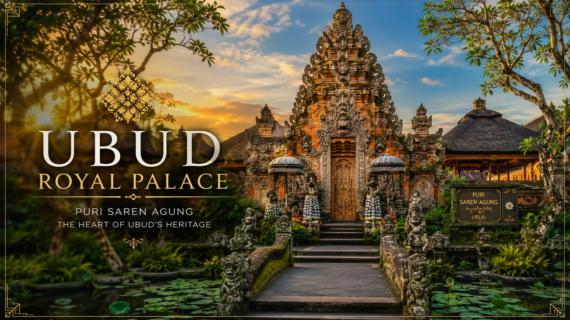
Ubud Royal Palace, also known as Puri Saren Agung, stands as a prominent cultural and historical landmark in the heart of Bali, Indonesia. This architectural gem is deeply connected to the rich heritage of the Balinese monarchy and serves as a significant reminder of the region’s royal history. Originally built in the early 19th century, the palace reflects the traditional design aesthetics of Balinese architecture, characterized by intricate carvings, vibrant colors, and beautifully landscaped gardens.
The Ubud Royal Palace served as the residence for the Ubud royal family, and it remains a central hub for cultural events and local ceremonies. Visitors can explore its grand courtyards and ornate gates adorned with symbols of Hindu mythology, which highlight the artistry and craftsmanship of Balinese artisans. Moreover, the palace is home to various cultural performances, providing travelers with a unique opportunity to experience the vibrant art scene that Ubud is known for.
Merging natural beauty and architectural grandeur, the Ubud Royal Palace is situated strategically near the bustling Ubud Market, making it easily accessible for tourists. The palace grounds are peaceful, offering a serene environment that contrasts sharply with the lively market atmosphere. As you stroll through the beautiful pathways of the palace, you will encounter elaborate sculptures and an impressive pagoda, all while gaining insight into the royal lineage’s impact on Balinese culture.
Diving into the history of Ubud Royal Palace not only enhances appreciation for the artistic endeavors that define Bali but also elucidates its ongoing role in preserving Balinese traditions. This site encapsulates the cultural heartbeat of Ubud, making it a must-visit destination for those seeking to understand better the traditions and history of Bali. The palace’s importance as a cultural landmark cannot be overstated – it is indeed the cornerstone of Ubud’s artistic spirit and royal past.
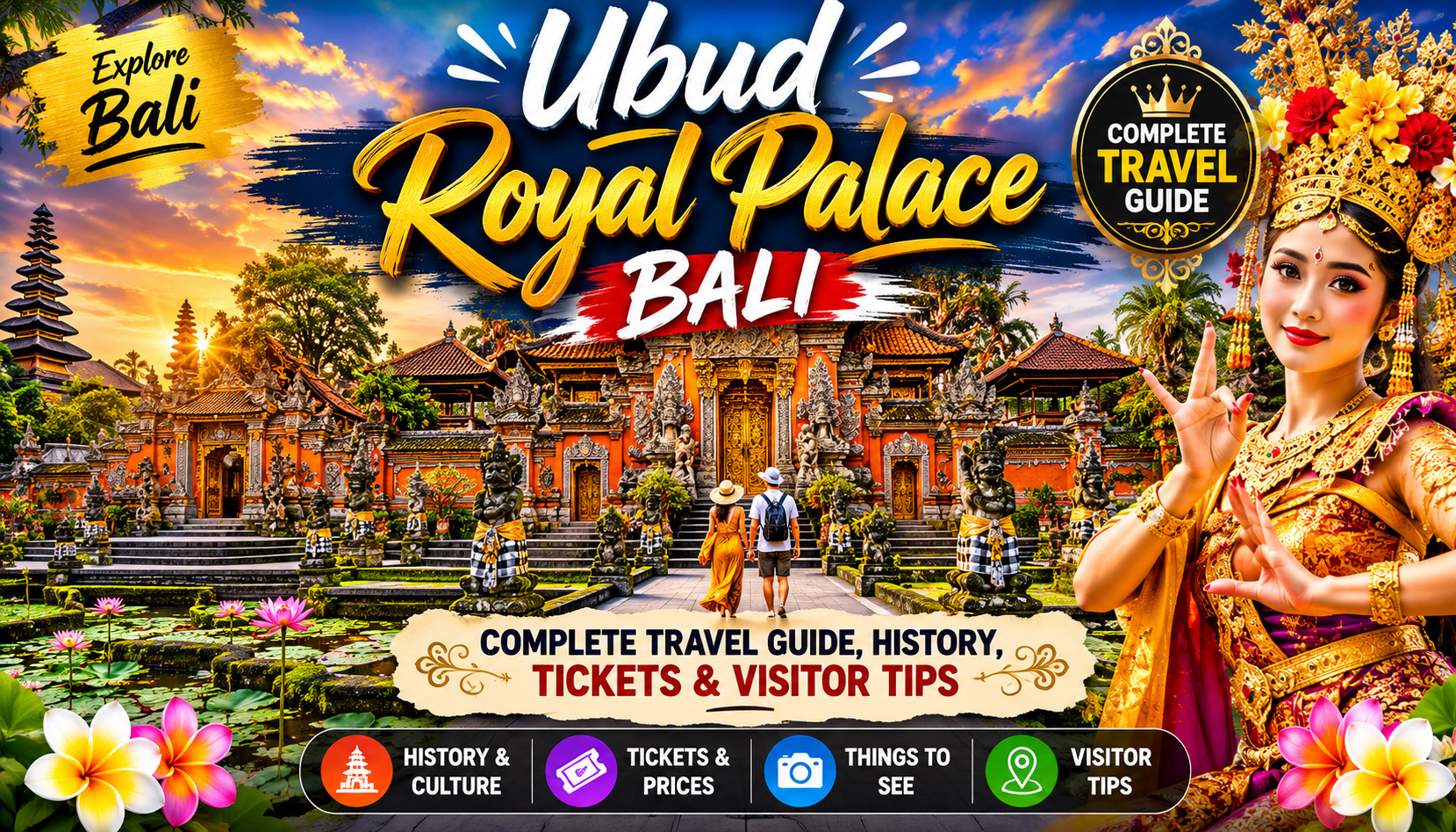
Ubud Royal Palace Bali: Complete Travel Guide, History, Tickets & Visitor Tips
The Rich History of Ubud Royal Palace
The Ubud Royal Palace, known locally as Puri Saren Agung, stands as a historical symbol encapsulating the cultural significance of Ubud, Bali. Originating in the late 19th century, the palace became the residence of the royal family of Ubud. It was built under the reign of the 33rd king, Tjokorda Putra Sukahet, who played a crucial role in elevating Ubud’s status as an artistic and cultural center in Bali.
Over the years, the Ubud Royal Palace has witnessed numerous significant events, from royal ceremonies to cultural festivals, thereby serving as a central hub for Balinese arts and traditions. The palace not only mirrors the architectural styles of Bali but also incorporates elements from various influences that marked the 19th century, making it a true representation of the island’s royal heritage.
Throughout its history, the palace has been home to notable royal figures who were instrumental in promoting the arts, religion, and Balinese culture. One of the most famous rulers, Tjokorda Gde Agung Sukawati, was a patron of local artists and encouraged the development of performing arts in Ubud. His reign laid the foundation for Ubud to bloom into a vibrant cultural enclave, attracting artists, musicians, and visitors from around the globe.
Today, the Ubud Royal Palace remains a living monument, reflecting the enduring legacy of the Ubud kingdom. The structure has maintained its historical integrity while accommodating modern visitors curious about Balinese royal history. Guided tours of the palace provide insights into the royal lineage and the myriad events that have taken place within its ornate walls, allowing for a deeper appreciation of its historical importance and cultural significance.
Architectural Features of the Palace
The Ubud Royal Palace, also known as Puri Saren Agung, is a magnificent representation of traditional Balinese architecture. Its design is characterized by a rich tapestry of intricate carvings and ornate features that reflect the cultural heritage of Bali. The layout of the palace grounds is meticulously planned, emphasizing the harmony between nature and architecture, a principle deeply rooted in Balinese philosophy.
Upon entering the palace, visitors are greeted by grand gates that are adorned with traditional Balinese motifs, including detailed wood carvings and stone sculptures. These artistic expressions serve not only as decorative elements but also as significant representations of spiritual beliefs and the island’s rich history. The use of local materials, such as volcanic stone and carved timber, exemplifies the craftsmanship that goes into Balinese design.
The layout of the Ubud Royal Palace is another striking feature. The complex is organized into distinct sections, including courtyards, ceremonial halls, and residential areas. Each space is designed with an emphasis on functionality and aesthetics, allowing for both public gatherings and private family life. Decorative features such as the highly regarded wantilan, or meeting hall, showcase splendid tiered roofs that are typical in Balinese architecture, supported by intricately carved pillars.
Notably, the palace grounds are also punctuated with beautiful gardens and water features that further enhance its serene atmosphere. Paths that wind through the gardens invite exploration and reflection, offering visitors a chance to appreciate the detailed craftsmanship in every corner. The combination of these architectural features creates an immersive cultural experience, allowing guests to connect with Bali’s rich heritage.
Key Attractions Within the Ubud Royal Palace
Ubud Royal Palace, also known as Puri Saren Agung, is a cultural and historical hallmark in the heart of Ubud, Bali. Visitors are often captivated by the intricacies of Balinese architecture that adorn the entire complex. The palace features multiple pavilions, gardens, and intricate stone carvings that reflect the rich cultural heritage of Bali. The serene gardens surrounding the palace are perfect for leisurely strolls, adorned with tropical plants and fountains that enhance the tranquility of the environment.
One of the major attractions within the Ubud Royal Palace is the traditional Balinese dance performances, which are held regularly in the palace’s open-air courtyard. These performances are a vibrant display of Balinese culture, showcasing enchanting stories through elaborate costumes and expressive movements. The dance performances, such as the Legong and Barong dances, provide visitors with a deeper understanding of local traditions and storytelling methods, making it a must-see event for anyone exploring the palace.
In addition to the dance performances, art installations and exhibitions within the palace grounds highlight the talents of local artists and artisans. The Ubud Royal Palace often collaborates with local art communities to exhibit pieces that encapsulate Balinese cultural themes. Visitors can explore various art forms ranging from paintings to sculptures, all of which reflect the unique heritage of Bali.
Overall, each corner of the Ubud Royal Palace offers a glimpse into Balinese history and cultural expressions, making it an essential destination for travelers looking to immerse themselves in the local scene. The harmonious blend of natural beauty, performing arts, and visual creativity within the palace grounds contributes significantly to the cultural tapestry of Ubud, solidifying its status as a prominent attraction in Bali.
Cultural Events and Performances at the Palace
The Ubud Royal Palace in Bali serves as a vibrant cultural hub, hosting a variety of traditional Balinese dance performances that reflect the rich artistic heritage of the region. Among the most notable performances are the Legong Keraton and Barong dances. The Legong Keraton is characterized by its intricate movements and elaborate costumes, depicting stories from Hindu epics, whereas the Barong symbolizes the battle between good and evil, performed with dynamic energy and captivating drumbeats.
These performances are not merely entertainment; they carry deep spiritual significance and are often linked to important ceremonies and festivals in the local community. Each dance tells a story and conveys cultural values, making them an essential part of Balinese tradition. Visitors to the Ubud Royal Palace have the unique opportunity to witness these cultural narratives unfold in an authentic setting, surrounded by the stunning architecture of the palace itself.
The schedule for performances at the palace is typically quite regular, with shows held almost every evening. It is advisable for guests to check the specific performance calendar upon arrival, as some events may be scheduled closely around local festivals or ceremonies, which can lead to changes in the standard performance times. By planning a trip to coincide with these cultural events, visitors can enrich their experience in Ubud, gaining a deeper understanding of Balinese culture.
Attending a dance performance at the Ubud Royal Palace is a quintessential experience for anyone visiting Bali, offering a unique chance to immerse oneself in the local traditions while enjoying a breathtaking display of artistry and culture.
Visitor Information and Tickets
The Ubud Royal Palace, or Puri Saren Agung, is a must-visit attraction in Bali that offers significant cultural insight and picturesque scenery. The palace is open to visitors every day, typically from 9:00 AM to 7:00 PM. However, the schedule may vary on specific occasions or during religious ceremonies, so it is advisable to check in advance for any updates regarding opening hours.
Admission to the palace is free, making it accessible for all tourists. Visitors can freely stroll through the beautifully landscaped gardens, admire the intricate Balinese architecture, and appreciate the historical significance of this royal residence. However, some specialized exhibitions or local performances, such as traditional dance shows held in the hidden courtyard, may incur a nominal fee. These performances often take place in the evening and showcase the rich cultural heritage of Bali, offering an immersive experience for spectators.
When planning your visit, it is beneficial to arrive early in the day to avoid the crowds and fully appreciate the tranquility of the palace grounds. Additionally, tourists are encouraged to dress modestly, respecting local customs and traditions. Attire should cover the shoulders and knees, and sarongs can often be rented or purchased nearby if necessary. Visitors should also be mindful of local etiquette while photographing the site to preserve the sanctity of this historical location.
Overall, the Ubud Royal Palace presents an enriching experience, blending culture and history in the center of Ubud. The combination of free entry, beautiful surroundings, and cultural offerings ensures that a visit to this landmark is both enjoyable and educational for travelers seeking to explore the heart of Balinese heritage.
Tips for Visiting Ubud Royal Palace
Visiting the Ubud Royal Palace in Bali is a memorable experience that allows travelers to immerse themselves in the rich cultural heritage of the region. To ensure your visit is both enjoyable and educational, consider the following practical tips that enhance your experience at this historical landmark.
First, the best time to visit the Ubud Royal Palace is typically in the early morning or late afternoon. These times often provide pleasant weather, allowing visitors to explore the grounds comfortably while avoiding the midday heat. Additionally, arriving during these hours may help you avoid the larger crowds that congregate later in the day.
In terms of attire, it is essential to respect Balinese customs by adhering to the dress code. Visitors are encouraged to wear modest clothing; for women, this may include a long skirt or dress, while men may opt for long trousers. If you are not appropriately dressed, you may be required to rent a sarong and sash, which are available on-site for a small fee. These garments are not only culturally respectful but also add to the authenticity of your visit.
Navigating the palace grounds can be straightforward if you take a moment to familiarize yourself with the layout before exploring. Follow the signs and paths that guide you through the various sections of the palace. As you walk through, take your time to appreciate the intricate architecture and beautiful gardens that showcase traditional Balinese design. Additionally, consider hiring a local guide who can provide insightful information about the palace’s history, cultural significance, and ongoing royal activities.
Finally, be sure to check the schedule for traditional performances, often held in the evening. These cultural events frequently take place within the palace grounds and provide an authentic glimpse into Balinese arts, music, and dance that complements your visit to the Ubud Royal Palace.
Accommodation and Dining Options Nearby
When visiting the Ubud Royal Palace, travelers are presented with a variety of accommodation choices ranging from budget-friendly guesthouses to luxurious hotels, all conveniently located within close proximity to the palace. This area is renowned for its unique blend of traditional Balinese culture and modern amenities, making it an ideal destination for various types of visitors.
For budget-conscious travelers, there are numerous guesthouses and homestays that offer comfortable lodging without breaking the bank. Options such as Champlung Sari Hotel and Budhi Nyoman Sari provide affordable rates along with basic amenities. These accommodations often feature cozy rooms that reflect the local aesthetic, and they may even include breakfast, making them a great choice for those wishing to immerse themselves in the traditional Balinese way of life.
For those seeking a more upscale experience, the area boasts several luxurious hotels. Establishments like Mandapa, a Ritz-Carlton Reserve and Komaneka at Bisma provide al luxurious stay complemented by stunning views of the rice terraces and lush landscapes that Ubud is famous for. These hotels often include amenities such as private pools, spa services, and gourmet dining options, ensuring a lavish retreat.
Complementing the variety of accommodation, visitors can also indulge in a plethora of dining options nearby. For authentic Balinese cuisine, Warung Babi Guling Ibu Oka and Locavore, which highlights locally sourced ingredients, are excellent choices. Many restaurants offer a fusion of traditional and contemporary dishes, contributing to the rich culinary tapestry that characterizes Ubud. Dining at local warungs allows travelers to savor dishes like Nasi Campur and Satay, enhancing their overall cultural experience during their stay.
Conclusion: The Allure of Ubud Royal Palace
The Ubud Royal Palace, known as Puri Saren Agung, is an essential stop for travelers seeking a blend of cultural richness, historical significance, and stunning artistry in Bali. This remarkable palace encapsulates the essence of Balinese heritage, offering an intriguing glimpse into the traditional lifestyle of the region’s royalty. Visitors are invited to stroll through the beautifully landscaped gardens, admire intricate architectural designs, and experience captivating traditional dance performances that take place regularly on-site.
One of the main attractions of the Ubud Royal Palace is its role as a cultural hub, which extends beyond mere sightseeing. The palace grounds frequently host various cultural events, art exhibitions, and festivals, enriching the visitor experience with a deeper understanding of Balinese traditions. The artistry found in the stone carvings, woodwork, and vibrant performances draws art enthusiasts and cultural explorers alike, making the royal palace a focal point of creative expression in Ubud.
The strategic location of the Ubud Royal Palace further enhances its appeal, as it is conveniently situated near the bustling Ubud Market, upscale dining options, and numerous art galleries. This accessibility encourages travelers to immerse themselves fully in the local culture, making it an ideal spot for reflecting on the history and artistry that define Bali. The engaging atmosphere and picturesque surroundings make it a memorable stop, ensuring visitors leave with a profound appreciation for Balinese culture.
In conclusion, the Ubud Royal Palace stands as a testament to the island’s rich history and cultural tapestry. Its captivating allure, steeped in tradition and artistry, compels travelers to include it in their itineraries when visiting Bali, securing its status as a treasured landmark in the hearts of those who experience its charm.