
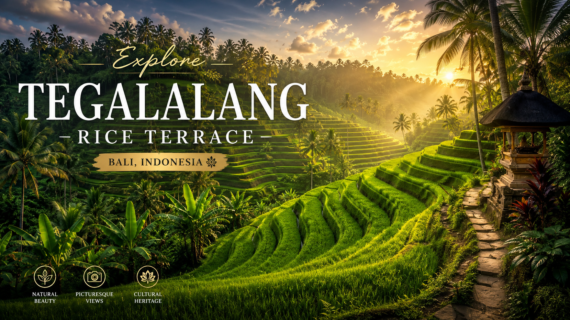
Tegalalang Rice Terraces, located in the enchanting region of Ubud, Bali, represents a stunning blend of cultural heritage and agricultural artistry. These rice terraces are not merely a picturesque landscape; they are a vital component of local agriculture that showcases traditional Balinese farming practices, which have been passed down through generations. The allure of Tegalalang lies in its sweeping vistas, characterized by lush green paddies that cascade down the hillside in intricate layers, creating a striking visual representation of nature’s beauty.
Historically, the rice terraces have played an essential role in the sustenance of the local community. They employ the subak irrigation system, an ancient method that relies on cooperation among farmers to cultivate rice effectively. This traditional approach to agriculture not only enhances productivity but also nurtures a sense of unity among the local populace. The yearly crop cycle reflects the rich cultural practices tied to rice farming, illustrating the deep-rooted connection between the Balinese people and their land.
As a significant tourist destination, Tegalalang Rice Terraces attracts countless visitors eager to experience its breathtaking landscape first-hand. The area has become synonymous with eco-tourism, where individuals can immerse themselves in the serene environment while gaining insights into sustainable farming practices. Eco-conscious tourists may find opportunities for guided tours that explore the terraces while learning about the importance of protecting this natural landmark. Furthermore, local artisans and small businesses thrive in the backdrop of the terraces, offering handicrafts and organic goods that celebrate Bali’s rich cultural tapestry.
Overall, Tegalalang Rice Terraces stand not just as a feast for the eyes but as a vital emblem of Bali’s agricultural heritage, echoing the harmony between nature and tradition while welcoming a global audience to appreciate its splendor.
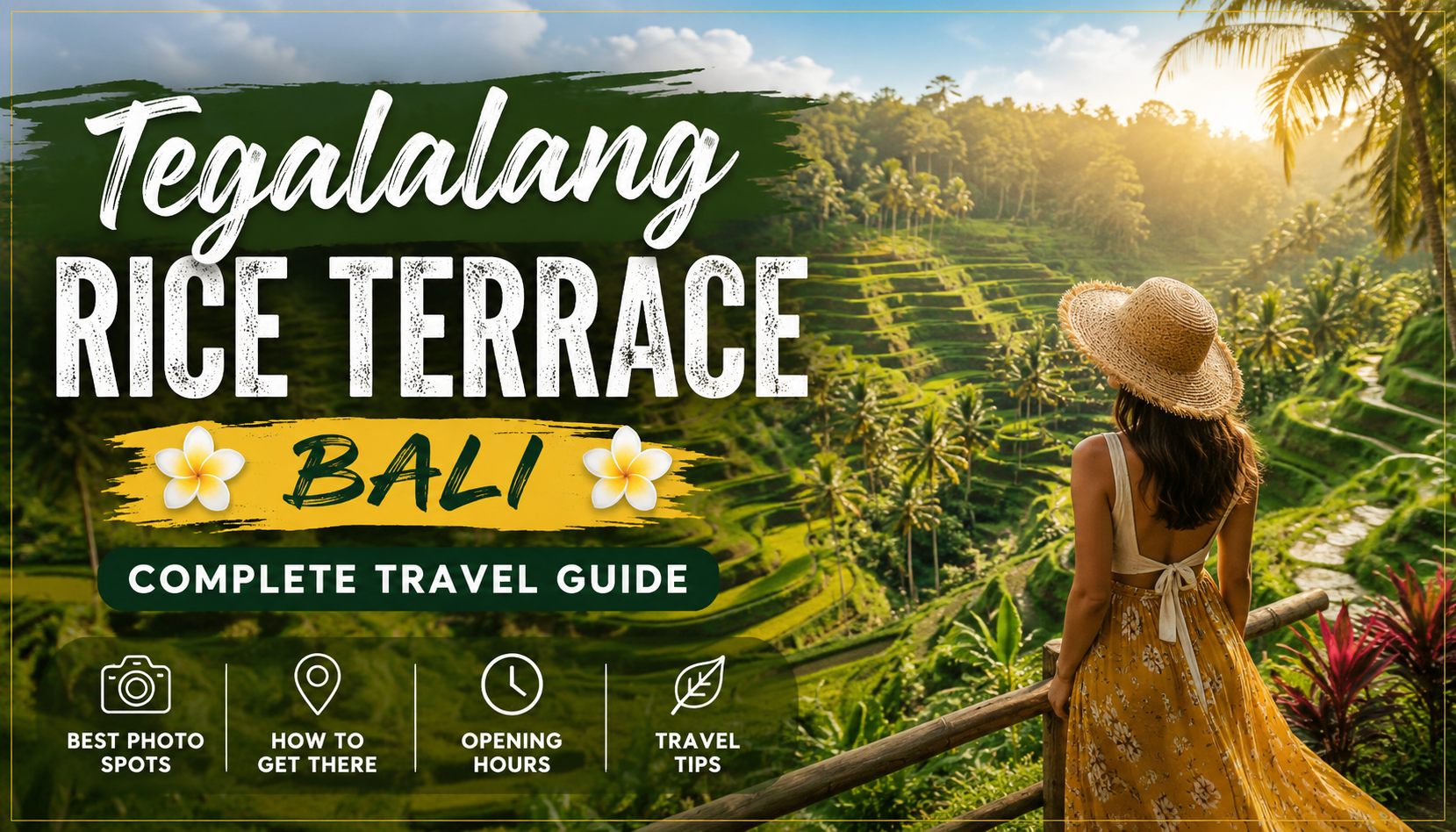
Tegalalang Rice Terrace Bali: Complete Travel Guide
How to Get to Tegalalang Rice Terraces
Reaching the iconic Tegalalang Rice Terraces in Bali can be an enjoyable part of your travel experience, given the stunning landscapes you’ll encounter along the way. The terraces are situated approximately 10 kilometers north of Ubud, making this town one of the most convenient starting points for your journey. If you’re staying in Ubud, it typically takes around 30 to 45 minutes to reach the rice terraces by motorcycle or car, depending on traffic conditions.
One of the most popular transportation options for tourists is renting a scooter. This option not only provides flexibility in your schedule but also offers the chance to explore Bali’s scenic routes at your own pace. Rental shops are readily available in Ubud, often charging between IDR 50,000 to IDR 100,000 per day. However, ensure that you possess a valid international driving license, as this is required by local authorities.
If you prefer a more comfortable and stress-free experience, hiring a private driver can be an excellent choice. Many local drivers offer their services for around IDR 400,000 to IDR 600,000 for a round trip, allowing you to sit back and enjoy the beautiful surroundings without worrying about navigation. This option is particularly recommended if you plan to visit multiple locations in one day.
Another alternative is joining a guided tour, which typically encompasses transportation, a knowledgeable guide, and sometimes additional activities, such as coffee tasting or trekking. This method can enhance your understanding of the cultural significance of the rice terraces.
The best time to visit the Tegalalang Rice Terraces is during the dry season, which spans from April to October, ensuring a pleasant experience. Mornings are particularly ideal, as the light is soft, and the terraces are less crowded, allowing for a more serene visit.
Best Time to Visit Tegalalang
Tegalalang Rice Terrace in Bali is a mesmerizing destination that attracts travelers year-round. However, understanding the best time to visit is crucial for an enriching experience. Generally, Bali experiences two primary seasons: the dry season and the rainy season. The dry season, which lasts from April to September, is often preferred by travelers due to its consistent weather, making it ideal for exploring the lush terraces and capturing breathtaking photographs. During this stage, visitors can enjoy clear skies and comfortable temperatures, perfect for outdoor activities.
Conversely, the rainy season from October to March brings its unique charm to Tegalalang. While downpours can be frequent, the rice terraces flourish with vibrant green hues, offering an enchanting sight that many visitors do not encounter during the drier months. In particular, December and January are often the wettest months; however, the landscapes are stunning, and the rice may be at its fullest, enhancing the overall visual appeal.
When planning your visit, consider local festivals that might coincide with your travel dates. For example, the Bali Rice Harvest Festival typically occurs in June. This vibrant event showcases local culture, complete with traditional performances and ceremonies celebrating the rice farming community. Experiencing such festivities can deepen your appreciation of the local culture while you explore the exquisite Tegalalang Rice Terrace.
Ultimately, the best time to visit Tegalalang Rice Terrace depends on your personal preferences for climate and activities. The dry season offers ideal conditions for sightseeing, while the rainy season provides an opportunity to witness the terraces at their most lush. Plan your trip according to your interests, and you will certainly get to enjoy the captivating charm of this iconic location.
Activities to Enjoy at Tegalalang Rice Terraces
Tegalalang Rice Terraces, situated in the verdant landscapes of Bali, provide a plethora of activities that harmoniously blend nature, culture, and adventure. One of the primary attractions is the scenic walks along the intricate rice paddies, where visitors can marvel at the stunning rice cultivation methods employed by the locals. These walks offer not just an opportunity to experience the breathtaking scenery, but also to engage with the unique agricultural practices that define the region.
Photography enthusiasts will find Tegalalang to be a paradise, as the terraced fields create captivating visuals, especially during the golden hours of sunrise and sunset. With the vibrant green hues of the rice plants juxtaposed against the blue sky, every angle presents an ideal shot. It is advisable to bring along a camera or smartphone to capture the beauty of this UNESCO World Heritage site.
For those interested in immersing themselves in the culture, Tegalalang offers unique chances to participate in rice planting or learning traditional farming techniques, guided by local farmers. This hands-on experience can deepen your understanding of Balinese agriculture and its importance in daily life, providing an authentic interaction with the community.
Amenities such as cozy cafes and designated viewpoints enhance the experience of visitors at Tegalalang. These establishments often serve local Balinese cuisine, allowing travelers to indulge in culinary delights while enjoying the magnificent views of the terraces. The combination of natural beauty, cultural learning, and local cuisine makes a trip to Tegalalang Rice Terraces a truly enriching experience. Whether you seek tranquility or adventure, Tegalalang caters to all, ensuring that every visitor leaves with unforgettable memories.
Cultural Significance of Tegalalang Rice Terraces
The Tegalalang Rice Terraces in Bali serve not only as a breathtaking visual spectacle but also as a vital representation of the island’s agricultural heritage and cultural identity. These terraces are a manifestation of the traditional Subak irrigation system, which has been implemented by the Balinese for centuries. This cooperative approach to agriculture is not merely about rice farming; it embodies a deep spiritual connection to the land, the rice itself, and the community’s social fabric.
Subak is a system that emphasizes harmony, sustainability, and communal governance, wherein farmers work collectively to manage water resources essential for rice cultivation. This agricultural practice showcases the Balinese philosophy of life, emphasizing balance between nature, culture, and spirituality. Each aspect of rice cultivation, from planting to harvesting, is intertwined with rituals and ceremonies that honor the spirits of the rice fields, showcasing the respect and reverence the Balinese people have towards agriculture.
Furthermore, the rice cultivation cycle is integral to local traditions, providing a rhythm to the farming community’s daily lives. Festivals and ceremonies, such as the Ngembak Geni, mark significant stages of this cycle, celebrating both the harvest and the gratitude for nature’s bounty. Farmers participate in rituals that invoke blessings for increased yield and protection against pests. These events accentuate the cultural ethos of the Balinese, highlighting their interconnectedness with the land and reinforcing community bonds.
In essence, the Tegalalang Rice Terraces stand as a symbol of Balinese resilience, cultural heritage, and sustainability. They not only contribute to the island’s economy through tourism but also serve as a reminder of the importance of preserving traditional practices in the face of modernization, ensuring that the cultural significance of rice cultivation remains pivotal to Bali’s identity.
Where to Eat Near Tegalalang Rice Terraces
When visiting the stunning Tegalalang Rice Terraces in Bali, one of the highlights of the trip is undoubtedly the opportunity to indulge in authentic Balinese cuisine. The region surrounding the terraces boasts several dining options that offer a taste of local flavors while providing breathtaking views of the lush landscapes.
One of the most popular choices among travelers is the local warungs, which are small, family-run eateries known for their affordability and traditional dishes. Warung Babi Guling Ibu Oka is highly recommended for its famous Babi Guling, or roasted suckling pig, which is often praised as a must-try dish. Prices at warungs typically range from IDR 30,000 to IDR 70,000 per meal, making them wallet-friendly dining options.
For those looking for a more upscale experience, the Ayung Terrace Restaurant offers a stunning view of the river valley along with a diverse menu featuring local and international cuisine. The tranquil setting, paired with dishes like Nasi Goreng and Lawar, provides a delightful balance of taste and atmosphere. The price per meal at restaurants like this may range from IDR 150,000 to IDR 300,000, which allows for a more relaxed dining experience.
Additionally, travelers should not miss Manisan Restaurant, famous for its traditional Indonesian dishes and beautiful rice terrace views. The restaurant’s signature dish, Bebek Betutu (slow-cooked duck), perfectly encapsulates the essence of Balinese culinary tradition. Prices here are generally moderate, falling between IDR 80,000 and IDR 200,000.
In conclusion, the area near Tegalalang Rice Terraces offers a rich tapestry of dining options, from humble warungs to elegant restaurants. Visitors can explore the vibrant flavors of Balinese cuisine while enjoying the scenic beauty surrounding them. Each dining experience not only satisfies hunger but also enriches the cultural journey in this enchanting region of Bali.
Accommodation Options Near Tegalalang Rice Terraces
When planning a visit to the stunning Tegalalang Rice Terraces, selecting the right accommodation can significantly enhance your experience. The vicinity offers a diverse range of lodging options that cater to various budgets and preferences. From luxurious resorts with breathtaking views to budget-friendly hostels that provide comfort without breaking the bank, there is something for every traveler.
For those seeking a more opulent experience, Alila Ubud stands out as a premier choice. Nestled in the hills, this five-star hotel boasts infinity pools overlooking the lush rice paddies and offers exceptional service alongside modern amenities. Guests can indulge in spa treatments while soaking in the serene atmosphere that surrounds them.
Another excellent option is the K Club Ubud, which features lavish villas equipped with private pools and a panoramic view of the rice terraces. This property caters particularly well to couples looking for a romantic getaway, complete with a dedicated staff to fulfill any special requests.
For travelers on a more constrained budget, Warung Aar offers economical accommodation with a local flavor. This budget-friendly hostel is not only close to the Tegalalang Rice Terraces but also provides a communal kitchen and lounge areas where guests can connect with fellow travelers. The warm hospitality ensures a memorable stay without hefty costs.
Additionally, the Bali Sunrise Villa provides mid-range accommodations with easy access to Tegalalang and other attractions in Ubud. With its comfortable, well-appointed rooms, a beautiful garden, and the option to arrange guided tours, this villa presents a practical option for explorers eager to experience the beauty of Bali.
In conclusion, whether you are looking for extravagance or simple yet cozy lodging, the area surrounding Tegalalang Rice Terraces offers a variety of accommodations that will suit your needs and enhance your explorative experience in Bali.
Responsible tourism is an essential aspect of visiting popular destinations like the Tegalalang Rice Terrace in Bali. As a visitor, it is crucial to recognize the impact your presence can have on the environment and the local community. Practicing responsible tourism not only helps preserve the delicate ecosystem of the rice terraces but also fosters respect for the cultural heritage of the area.
One of the primary ways to minimize environmental impact is by avoiding littering. This includes disposing of waste properly and refraining from leaving behind any trash, which can harm wildlife and spoil the natural beauty of Tegalalang. Carry reusable bags, water bottles, and containers to reduce single-use plastics and contribute positively to the pristine environment.
In addition to being mindful of waste, respecting local customs and traditions is crucial when visiting Tegalalang. Travelers should familiarize themselves with the local culture, including appropriate dress codes, especially when visiting sacred sites. Engaging with the local community with sensitivity and respect helps to nurture positive relationships and enriches the travel experience.
Furthermore, supporting local businesses amplifies the positive impact of your visit. Opting for services provided by local artisans, restaurants, and tour operators not only stimulates the economy but also fosters cultural exchange. Whether you enjoy a meal at a local warung or purchase handmade crafts, you contribute to the livelihoods of those who call Tegalalang home.
Lastly, consider engaging with eco-friendly initiatives available in the area, such as guided tours that promote sustainable practices. These tours often educate visitors on the ecology of the rice terraces, encouraging an appreciation for the environment. Ultimately, embracing responsible tourism at Tegalalang ensures that this magnificent site remains intact for future generations, highlighting the importance of preserving both nature and culture.
Conclusion and Final Thoughts
Visiting the Tegalalang Rice Terraces in Bali is an experience that encapsulates both stunning visual beauty and profound cultural significance. These remarkable terraces, carved into the verdant hillsides, are not just a feast for the eyes but also a living testament to the ingenuity of Balinese agricultural practices. The subak irrigation system that sustains these fields is a UNESCO World Heritage-recognized cultural landscape, highlighting its importance in the preservation of Balinese heritage.
One of the key highlights of Tegalalang is the breathtaking view it offers. As you stroll through the narrow pathways that weave between lush green rice paddies, you are sure to be mesmerized by the intricate patterns created by the cascading terraces. This area is a photographer’s paradise, where each angle reveals a new perspective of the landscape, especially during sunrise or sunset when the golden light enhances the natural beauty.
Furthermore, engaging with local farmers and artisans adds another layer to the visitor experience, providing insight into their daily lives and the importance of rice cultivation in their culture. These interactions enrich one’s understanding of the Balinese way of life and underscore why Tegalalang is more than just a picturesque destination.
As you plan your visit, it is essential to approach Tegalalang with a sense of respect and appreciation for its cultural values. Consider traveling during off-peak hours to enjoy a more tranquil experience and promote sustainable tourism practices. By doing so, you contribute to the preservation of this unique site for future generations. Overall, Tegalalang Rice Terraces promise a memorable journey that honors both nature’s artistry and the deep-rooted traditions of Bali.