
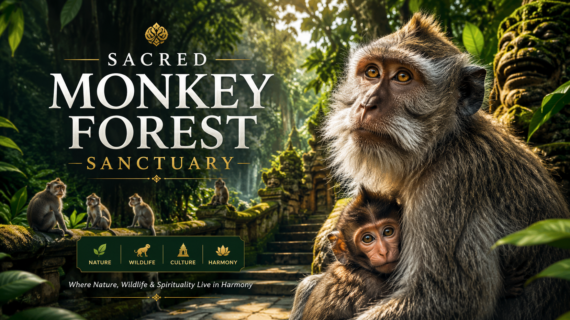
The Sacred Monkey Forest Sanctuary, located in the heart of Ubud, Bali, is a renowned tourist destination that attracts visitors from around the globe. Established in the 14th century, this sanctuary serves not only as a home for a population of long-tailed macaques but also as a significant cultural and spiritual site for the Balinese people. The forest is an integral part of local life, interweaving aspects of nature, wildlife conservation, and Balinese traditions.
This sanctuary is unique as it is positioned within a vibrant natural setting, further enhancing the rich biodiversity of the area. The forest spans over 12.5 hectares and features more than 700 monkeys, alongside lush vegetation, ancient temples, and sacred springs. The interplay between the monkeys and their natural habitat offers a fascinating glimpse into the delicate balance of wildlife and human interaction within the region.
Moreover, the Sacred Monkey Forest Sanctuary plays a pivotal role in Balinese culture. It is considered a sacred space and holds significant spiritual value. The Hindu temples within the sanctuary, including the ancient Pura Dalem Agung temple, are sites for ritual ceremonies and local worship. The forest is not merely a tourist attraction; it serves as a living testament to the rich cultural heritage of Bali, emphasizing the importance of harmony between humans and nature.
For travelers, visiting the Sacred Monkey Forest Sanctuary is more than just witnessing playful monkeys; it is an opportunity to engage deeply with Balinese culture, appreciate ecological conservation efforts, and experience the serenity offered by this lush, green space. The sanctuary exemplifies the community’s commitment to environmental preservation and the protection of this iconic monkey species, reinforcing its status as a must-visit site while in Ubud.
Getting There: Transportation Options
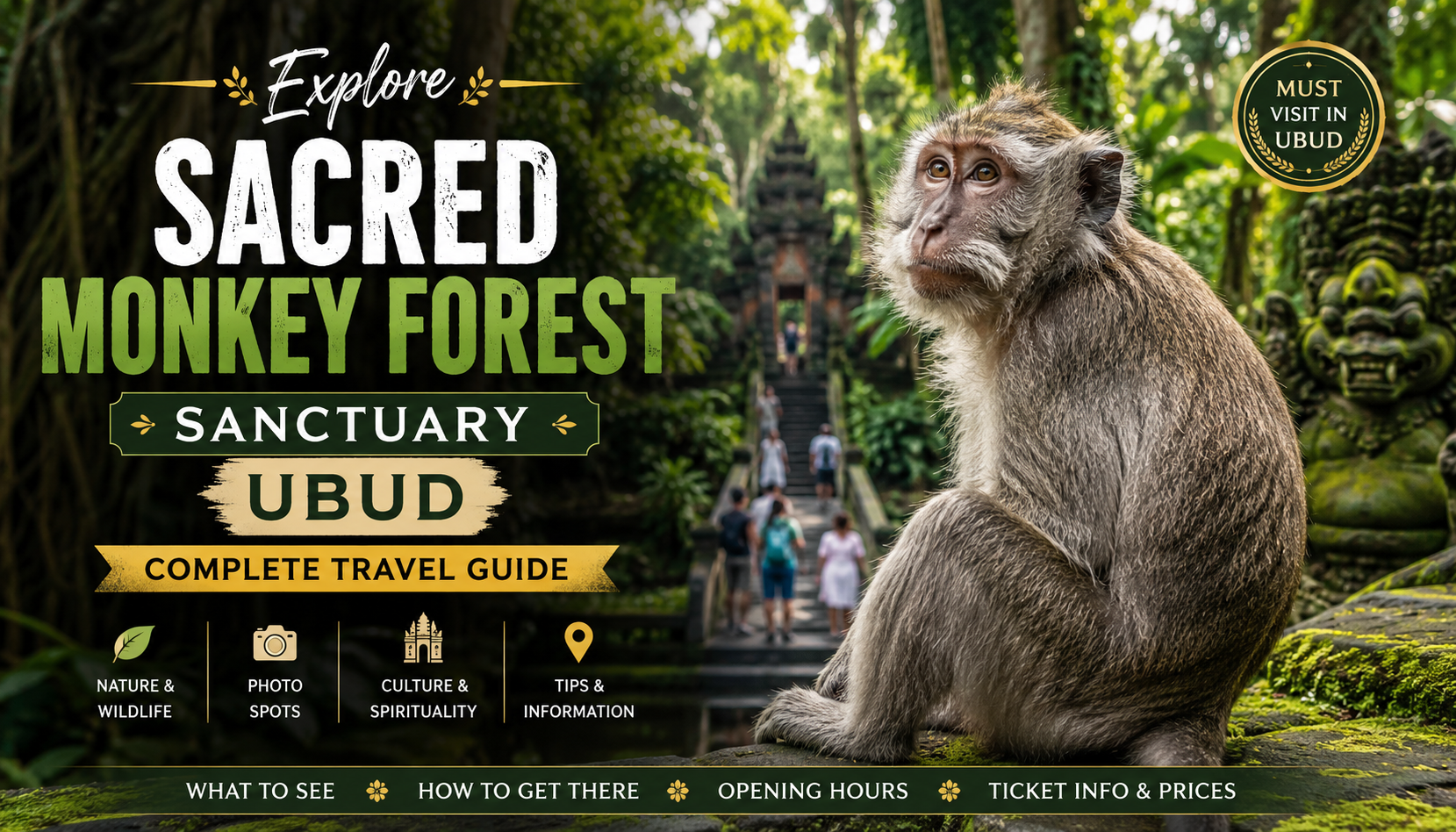
Reaching the Sacred Monkey Forest Sanctuary in Ubud, Bali, can be achieved through various transportation methods catering to different preferences and budgets. Those seeking an economical option can utilize public transportation, notably the local bemo, which operates on fixed routes across the island. Although bemos provide an authentic Balinese experience, travelers are advised to plan their journey ahead of time as schedules can vary and stops may not be directly at the sanctuary.
For those desiring a more direct and comfortable approach, hiring a private taxi is recommended. This option allows for greater flexibility since travelers can set their own itinerary, potentially visiting other nearby attractions. To secure reliable taxi services, it is advisable to arrange rides through established companies or local drivers who exhibit well-maintained vehicles and ethical practices.
Additionally, ride-sharing platforms such as Grab and Gojek are popular in Bali; they offer a cost-effective and convenient means to access the Monkey Forest. By downloading their respective apps, travelers can quickly request a ride from their location, benefiting from transparent pricing and varied vehicle choices. However, it is prudent to note that ride-sharing vehicles may need to park a short walk from the entrance due to local traffic regulations.
Timing plays a pivotal role in the journey as traffic congestion can be significant during peak hours, particularly in Ubud. It is recommended to start early in the day to optimize travel time and to experience the sanctuary with fewer visitors. By understanding these transportation options, visitors can ensure a seamless experience when exploring the Sacred Monkey Forest Sanctuary.
What to Expect: Flora, Fauna, and the Monkeys
The Sacred Monkey Forest Sanctuary in Ubud is not only a haven for the famous long-tailed macaques but also a vibrant ecosystem characterized by a rich diversity of flora and fauna. This sanctuary, often regarded as a natural jewel, spans approximately 12.5 hectares and is home to over 200 species of trees, many of which are centuries old. These magnificent trees, including the sacred banyan, waringin, and nutmeg, create a lush canopy that softens the tropical sunlight, inviting visitors to explore its serene pathways.
Among the many species that inhabit the forest are birds such as the golden-spectacled warbler and various butterfly species that flutter through the air, enhancing the sanctuary’s vibrant atmosphere. Additionally, the landscape is dotted with moss-covered statues and ancient temples that add an intriguing cultural element to the natural beauty. Visitors can expect to encounter not only the welcoming scenery but also the harmonious coexistence of nature and spirituality throughout the sanctuary.
The long-tailed macaques, the sanctuary’s primary attraction, are known for their playful and social behavior. As you wander through the forest, it is common to observe these monkeys engaging in grooming, play-fighting, and fruit foraging. While the monkeys can appear friendly, it is crucial to approach them with a respectful distance. Feeding them is prohibited, as it encourages dependence on human interaction. Additionally, it is recommended to secure personal belongings, as macaques are known for their curiosity and can often snatch items such as sunglasses or bags.
Ultimately, the Sacred Monkey Forest Sanctuary offers an enriching experience, allowing visitors to appreciate the intricate relationship between the unique flora, diverse fauna, and the lively monkey population. For those seeking to connect with nature in a profound way, this sanctuary serves as an unforgettable destination.
Pricing and Timings: Admission Rates and Hours of Operation
The Sacred Monkey Forest Sanctuary in Ubud, Bali, is not only a captivating destination for nature and wildlife enthusiasts but also a place steeped in cultural significance. To explore this unique sanctuary, visitors must be aware of the admission rates and the hours of operation to facilitate an organized visit.
The general admission fee for adults is approximately IDR 120,000, which allows access to the forest grounds, the temples, and the opportunity to observe the long-tailed macaques in their natural habitat. Children under the age of 12 are eligible for a discounted ticket price, standing at around IDR 100,000. This pricing strategy aims to make the sanctuary accessible to families while also supporting the conservation efforts within the forest.
In addition to the standard admission fee, travelers should be mindful of potential extra costs associated with guided tours. Standard guided tours are available for an additional fee, generally ranging from IDR 150,000 to IDR 250,000 per person, offering a deeper insight into the flora, fauna, and heritage of the location. These guided experiences enrich the visit, providing valuable information about the monkeys and the sanctuary’s history.
The sanctuary operates daily from 9:00 AM to 6:00 PM, with the last entry permitted at 5:30 PM. Such operational hours are designed to give visitors ample time to enjoy the lush surroundings and engage with the resident monkey population. It is advisable to plan your visit early in the day or later in the afternoon, as these times often witness fewer crowds, thus enhancing the overall experience.
By considering the ticket pricing and the timings of the Sacred Monkey Forest Sanctuary, travelers can optimize their itineraries and enjoy a memorable adventure amid Bali’s enchanting wildlife.
Guided Tours vs. Exploring on Your Own
When considering a visit to the Sacred Monkey Forest Sanctuary in Ubud, travelers often face a choice between participating in guided tours and exploring the sanctuary independently. Each option offers distinct advantages that cater to varying preferences and travel styles.
Opting for a guided tour typically provides visitors with enriched knowledge about the sanctuary’s unique flora, fauna, and historical significance. Professional guides are often well-versed in the behavior of the resident monkeys and can enhance the experience by providing insights into the cultural importance of the location. With their expertise, guides can also help visitors navigate through the complex, ensuring that guests safely interact with the wildlife. Additionally, group tours often bring together like-minded individuals, fostering new friendships and shared experiences.
In contrast, exploring the Sacred Monkey Forest Sanctuary independently allows for a more flexible itinerary. This approach caters to individuals who prefer a leisurely pace, with the freedom to pause and engage with specific areas of interest. Self-exploration can lead to unexpected discoveries, whether it’s spotting a hidden temple or enjoying quiet moments with the monkeys. Visitors can choose to spend as much time as they wish in various sections of the sanctuary without feeling rushed. Furthermore, navigating the sanctuary alone allows for a personal connection to the environment, as individuals can fully immerse themselves in the sights and sounds of the lush surroundings.
Ultimately, the decision between guided tours and self-exploration at the Sacred Monkey Forest Sanctuary depends on personal preferences. Travelers seeking deep insights and historical knowledge may prefer the former, while those valuing flexibility and autonomy may find self-guided exploration more suitable. It’s essential to weigh these aspects before embarking on this enchanting journey.
Cultural Significance: Temples and Rituals Within the Sanctuary
The Sacred Monkey Forest Sanctuary in Ubud, Bali, is not just a haven for wildlife but also a significant spiritual and cultural site that plays a pivotal role in Balinese Hindu traditions. Within the sanctuary, three ancient temples stand prominently, each encapsulating the essence of Balinese architectural elegance and religious practices. These temples are Pura Dalem Agung, Pura Beji, and Pura Prajapati, each serving different spiritual functions and rituals.
Pura Dalem Agung, the temple of the dead, is particularly revered as it is dedicated to the worship of Lord Shiva. The architectural design features intricately carved stone statues and vibrant floral offerings, highlighting the sacred relationship between the Balinese people and their deities. Rituals held here, such as the “Ngaben” or cremation ceremonies, are deeply imbued with symbolism and are a crucial part of the Balinese Hindu practice of honoring ancestors and ensuring their journey to the afterlife.
Pura Beji, often referred to as the cleansing temple, is another vital component of the sanctuary. This temple is associated with agricultural prosperity and the purification of the body and soul, involving rituals that celebrate the connection between nature and community. The temple’s vibrant decoration—composed of lush greenery and ornate stone carvings—invites visitors to experience the serene ambiance that embodies Balinese spirituality.
Furthermore, Pura Prajapati serves as a site for the rituals connected to the cycle of life, dealing mainly with birth, death, and reincarnation. The architecture of this temple showcases classic Balinese design, with tiered roofs and detailed embellishments that reflect the island’s rich artistic heritage.
Through these temples and the various rituals practiced within the Sacred Monkey Forest Sanctuary, visitors can observe the profound cultural significance that underscores the daily lives and spiritual beliefs of the Balinese community, exemplifying their harmonious relationship with nature and reverence for the divine.
Best Practices for Visiting: Dos and Don’ts
When visiting the Sacred Monkey Forest Sanctuary in Ubud, adhering to specific dos and don’ts enhances not only your experience but also ensures the safety and well-being of the monkeys and the sanctity of the environment.
One of the primary dos is to respect the monkeys at all times. Visitors should maintain a safe distance and avoid aggressive gestures, as this can provoke the animals. Feeding the monkeys is generally discouraged unless it is part of a designated activity, as improper feeding can lead to behavioral issues among the monkeys and disrupt their natural diet. It is equally important to refrain from making direct eye contact with the monkeys, as this can be interpreted as a challenge.
Cleanliness is paramount, so ensure that you do not litter or leave any waste behind. The sanctuary is a sacred space, and maintaining its cleanliness reflects respect for both its spiritual significance and the wildlife residing within. Visitors should also be cautious with their belongings. Monkeys are known for their curious nature and may attempt to grab bags, sunglasses, or food. To mitigate this, it is advisable to keep items close and secure. In addition, it is best to avoid wearing shiny jewelry or items that may attract the monkeys’ attention.
Another essential practice is being aware of sacred spaces within the sanctuary. Certain areas may have cultural significance, and it is crucial to honor these by following any posted guidelines or instructions from sanctuary staff. Observing these practices not only contributes to a respectful atmosphere but also enriches your experience within this remarkable environment.
By following these dos and don’ts, visitors can enjoy a meaningful and enjoyable experience at the Sacred Monkey Forest Sanctuary, while also safeguarding the welfare of its inhabitants and the integrity of this precious ecological site.
Nearby Attractions: Extending Your Visit in Ubud
Visiting the Sacred Monkey Forest Sanctuary in Ubud is just one highlight of the rich cultural tapestry that Bali offers. To enhance your experience, consider exploring several attractions that are conveniently located nearby. One of the must-visit sites is the Ubud Art Market, a vibrant hub for local artisans showcasing a diverse array of traditional Balinese crafts, textiles, and artworks. This market provides visitors with an opportunity to purchase unique souvenirs and support the local economy while immersing themselves in the artistic spirit of the region.
Another remarkable attraction is the Tegalalang Rice Terraces, which are renowned for their stunning landscapes. These terraces, situated just a short drive from Ubud, provide not only breathtaking views but also a glimpse into the traditional rice farming practices of the Balinese people. Walking through the terraces is a serene experience, allowing for some reflective moments amidst lush greenery and the sound of chirping birds.
For those interested in cultural landmarks, the Pura Taman Saraswati Temple is a beautiful Hindu temple located in the heart of Ubud. This temple is dedicated to the goddess of knowledge and arts, and its exquisite lotus pond is a perfect spot for photographs. Visitors can often witness traditional Balinese ceremonies taking place, enriching their understanding of local customs and spiritual practices. Furthermore, the Ubud Palace, a historical site, offers a glimpse into the royal heritage of Bali and often hosts traditional dance performances in the evenings, providing a delightful cultural experience.
Incorporating these nearby attractions into your itinerary will undoubtedly enrich your visit to Ubud and allow you to fully appreciate the diverse offerings of this enchanting region. Whether it’s exploring art, enjoying nature, or diving into the local culture, Ubud has something for everyone, making it a premier destination in Bali.
Conclusion and Final Tips for Visitors
Visiting the Sacred Monkey Forest Sanctuary in Ubud is an exceptional opportunity to experience the harmonious blend of nature, wildlife, and Balinese culture. This tranquil sanctuary offers a sanctuary not only for the monkeys but also for visitors seeking solace amidst lush greenery and sacred temples. As the journey comes to an end, it is vital to recap essential aspects of your visit to ensure a memorable and enriching experience.
First, be prepared to encounter the playful long-tailed macaques that populate the area. While these monkeys are an integral part of the sanctuary’s charm, visitors should approach with caution. It is advisable to avoid feeding the monkeys, as well as refrain from bringing food or plastic bags, which can attract unwanted attention and disrupt their natural behaviors.
Second, visitors should be conscious of their surroundings and the need for environmental preservation. The sanctuary promotes the protection of both the monkeys and their habitat. Therefore, guests are encouraged to follow the designated paths, respect the flora and fauna, and dispose of waste responsibly. Taking photos is allowed; however, it is essential to do so respectfully and without disturbing the wildlife.
Finally, when planning your visit, consider exploring the nearby attractions, such as local craft markets and traditional Balinese restaurants, to enhance your cultural experience. Engaging with the local community and embracing the traditions helps deepen the connection to this unique environment. Remember that this sanctuary is not only a testament to nature’s beauty but also a reminder of the importance of coexistence and conservation.
With these tips in mind, visitors can fully appreciate the spirit of the Sacred Monkey Forest Sanctuary and create lasting memories in this enchanting destination.